

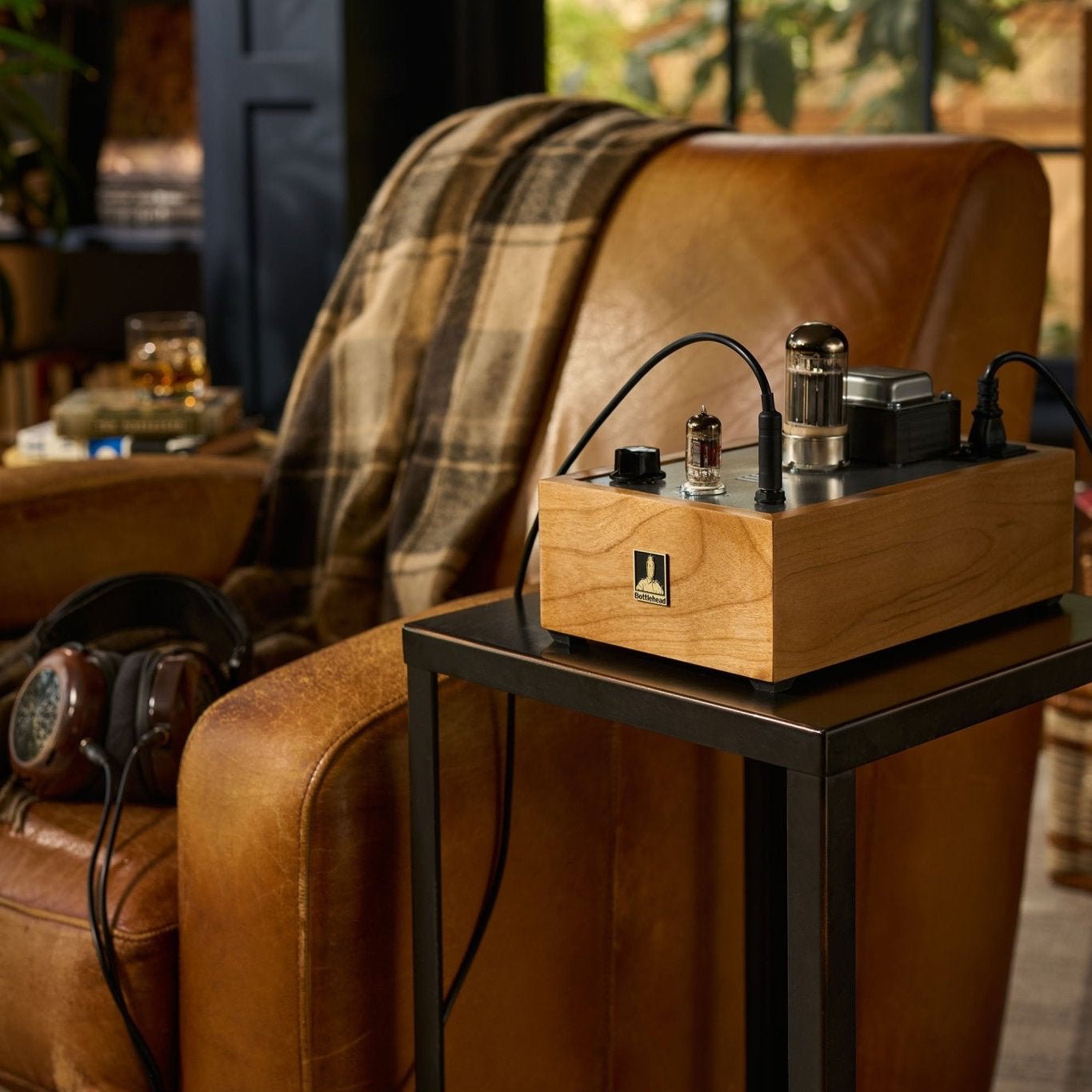
Lots of folks ask us whether they can really put together our kits. We think just about everyone can with some patience and the right tools (check out our starter tool kit and our guide to the tools every builder needs to get started). But, some of our kits are easier than others.
As you peruse our site, you'll notice that every amp has been assigned a skill level. In every category page, you can filter based on these skill levels to help you see the right amp for your abilities.

But what do the levels mean? Let's talk about what to expect and which kits are right for each kind of builder.
Level One
Level one kits are our easiest kits to assemble. There aren't many spots where a bunch of wires are converging on one terminal spot, the chassis is roomy, and there isn't a ton of soldering in cramped little spaces. There is minimal PCB work, and the kits have a little more room for error. These tend to be shorter builds: we think most builders can get through these in a few leisurely weeknight sessions (but no rush!)
Our level one kits include:
- Crack 1.1 OTL Headphone Amplifier - Our legendary output transformer-less headphone amplifier. Great for beginners to DIY, but world-renowned for its incredible sound.
- Stat Electrostatic Headphone Energizer - A bit of a cheat since this one comes fully assembled.
- Moreplay Preamplifier - The Moreplay was reviewed by Steve Guttenberg, who said it was "tube sound done right". Check out his video review, which also talks about the build process and covers his impressions.
Level Two
Level two kits add a bit more complexity. Now we're starting to see more components converge on single terminals, meaning the builder needs to take more care to ensure each part is adequately soldered. There may be some cramped quarters that require a little more planning and thought before attaching a wire or soldering a resistor. There might be more PCB work here. Some voltages might start getting into the higher ranges, so safety becomes even more important (although every builder should treat all kits with the utmost respect and care to make sure they're safe!) These are longer builds than the level one kits, and so builders should afford a bit more time to get things up and running.
- BeePre2 300B Preamplifier - A pretty easy build, especially compared to its predecessor, but we do start to see some higher voltages. Note that this rating is for the stock kit. The upgrades are more challenging.
- SEX 4 Amplifier- The SEX 4 is wired for speakers and headphones, so you'll be doing a bit more wiring work than other kits. There's one PCB board to solder up. The quarters aren't too cramped, and there's only one or two tricky spots.
- Kaiju 300B Amplifier - It's not too terribly difficult to wire up, but the voltages start to creep up a bit. It's also a little hefty!
- Stereomour II - This is one of my favorite amps in the lineup. It's an integrated amp and preamp, and it has a ton of mods you can add in. But it's those benefits that add a bit to the complexity. There's just more to do and things get a little cramped.
Level Three
These are our most challenging kits. We recommend starting with easier items in our lineup, or with some other projects that involve soldering electronics. There may be a good deal of PCB work, the tube sockets might have more going on around them, and the amp could get a little more cumbersome to move around during testing (looking at you, Paradyne!) Builders should budget a couple weeks to get these together. These are marathons and not sprints, but they're super rewarding once you get them together.
- Paradyne 805A Monoblocks - The Paradyne builds are pretty easy from a wiring and soldering standpoint. Two things push it into level three: first, some parts of the amp are wired to the base, which complicates testing and maneuvering; and second, you have to build two amps to have a completed kit. The end result is worth it!
- Mainline 1.1 Headphone Amplifier - The Mainline comes stock with some nifty mods that are add-ons in other amps, like the stepped attenuator. This means the build is a little longer and more complex. There are also a couple different inputs and outputs to wire up. There's a lot going on, but it's what makes the Mainline so special.
- Crackatwoa OTL Headphone Amplifier - The Crackatwoa was designed as the platonic ideal of what a Crack could be. The chassis is bigger, the power supply is beefier, and there are new tubes added into the mix. Builders expecting a "Crack with more stuff" might be surprised at the jump in complexity. It's my favorite of our headphone amplifiers, but you do need to give yourself plenty of time to work through the added PCBs and tight spots near the 6AQ5 tubes.
- Eros 2 Phono Preamplifier - The Eros is a bit of a borderline product between levels two and three. It's certainly easier to construct than the original Eros or the retired Reduction kit, but as with any phono preamplifier, there's a lot to accomplish to build the RIAA equalization portion of the circuit.
Wrapping Up
We firmly believe that great sound belongs to everyone, and we know our kits are easy enough to build that just about anyone can do it. If you have any questions about our amps, need to chat about what kit might be right for you and your abilities, or you bought a kit and need some help, pop over to the Forums. We're happy to point you in the right direction.
BeePre Input Transformer Modification